

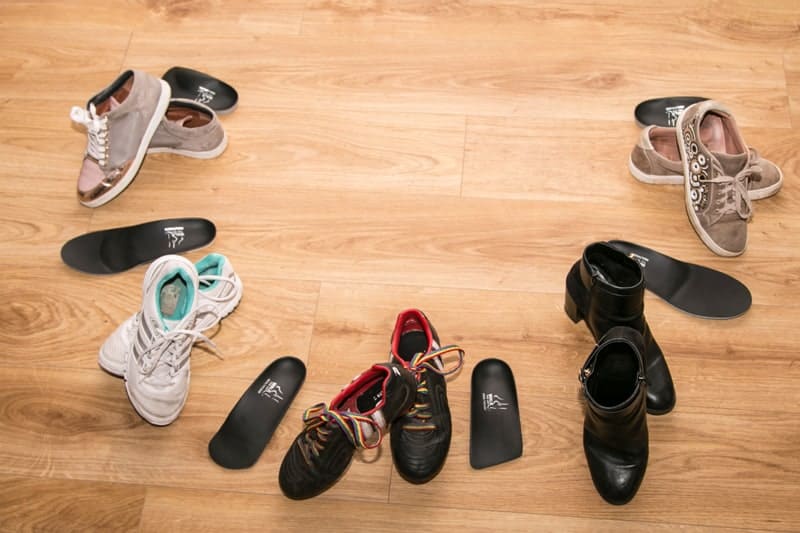
Custom foot orthotics are a life-changing investment that can help you improve your quality of life dramatically. They’re designed to alleviate pain or discomfort in your feet and lower extremities so that you can enjoy doing what you love most.
Orthotics may be necessary in a variety of situations, including:
1. Structural abnormalities: If there is an abnormal foot structure, such as flat feet or high arches, orthotics can help provide support and alleviate pain.
2. Injury or trauma: After an injury, such as a sprained ankle, orthotics can help support the affected area and promote healing.
3. Chronic conditions: Individuals with chronic conditions such as plantar fasciitis or arthritis can benefit from orthotics as they can provide relief and prevent further damage.
4. Sports performance: Athletes may use orthotics to improve their performance, reduce the risk of injury, and promote faster recovery.
Unlike off-the-shelf orthotic insoles, which may only last you for a couple of months, custom orthotic insoles can take you a long way before needing replacement.
What signs indicate that you need foot orthotics?
Foot orthotics are designed to help you correct these imbalances by altering the way your
feet hit the ground. Orthotic insoles work to balance out the natural position of your foot,
enabling it to function as ‘normally’ as possible while eliminating compensation for any
abnormality. Wearing foot orthotic insoles changes and redistributes the plantar pressures
under your feet, helping reduce internal and external forces acting on specific parts of the
foot to treat an injury, reduce foot pain and minimise the appearance of corns and calluses.
How long do custom foot orthotics last?
Although custom orthotics are made to withstand the daily wear and tear from simply standing and walking, they will inevitably become damaged over time.
The lifetime of your orthotic insoles will vary depending on how much you wear them. For example, if you invest in multiple pairs of custom orthotics to fit different footwear, so each pair gets only worn a few hours a day, your orthotics are likely to last you between 2 and 3 years. However, if you only have one pair and use them daily for walking and other sport or recreational activities, then you’re more likely to need a new pair sooner. Other factors that can contribute to your orthotics insoles needed replacing are:
1. The materials they’re made. Typically, functional orthotics, which are made from rigid and semi-rigid materials like plastics or graphite, tend to be long lasting in comparison to accommodative orthotics, usually crafted from soft or cushioning materials like silicone, foam or cork, which may have to be replaced as often as once a year.
2. Your body weight. A heavy body will put a lot more strain on your feet than a lighter body, causing foot orthotics to deteriorate faster.
3. The process of ageing. Your feet shape and size will change as you grow older, so you’ll need to periodically review your orthotic insoles prescription to account for changes resulting from ageing.
4. Lifestyle changes. Certain changes in your life can also lead to needing a new prescription. For example, if you get pregnant, you can experience changes in your gait that can cause discomfort if not corrected by new orthotics. In addition, having a knee or hip replacement can affect the way you walk and easily require new orthotic insoles.
Why are orthotics uncomfortable?
Even the highest quality, new shoes can be slightly uncomfortable before your feet have moulded and broken them in. The same rules apply to custom-made orthotics. A new pair takes a little while to become comfy, even if you’re using them in an existing pair of shoes. We usually advise that you wear them over a period of two weeks and if the symptoms of discomfort persist after that, make an appointment to have them adjusted for better comfort.
How do you know it’s time to replace your foot orthotics?
Foot orthotics help you correct biochemical imbalances that cause pain and discomfort in your lower back, hips, knees and feet. Hence, it is important to maintain them in good condition to ensure they provide the support that your body needs at all times.
When your orthotic top and bottom covers and any additions become worn-out and flattened over time, they are no longer effective in supporting your body. The first sign showing they have stopped working correctly is a return of the symptoms that caused you to get orthotics in the first place.
To avoid developing symptoms, at Walk This Way Podiatry, we recommend that you have an annual custom foot orthotic review to examine your gait and ensure the orthotic prescription is kept up-to-date with your lifestyle and body changes. This review also enables us to check your foot orthotic insoles condition and have them adjusted and refurbished once a year to extend their lifespan as much as possible.
● Outgrowth
● Replacement
● Total Refurbishment
When there are no significant lifestyle changes, the most frequent telltale signs that warn you your foot orthotics may need to be refurbished are:
1. Return of pain or original symptoms. As soon as you start experiencing any discomfort, you should get your orthotics insoles checked. They may need to be adjusted or replaced with a new prescription, or you may need a different form of treatment.
2. Cracks, creases, thinning soles and other signs of structural deterioration. Custom foot orthotics are designed to provide the perfect balance of cushion and support. Therefore, when the top cover cushioning of the orthotics becomes worn out, the orthotic insoles will start to feel hard, an indication that you may need them refurbished or get a new pair.
3. Tread-wear on the soles of your shoes. When the bottom of your shoes shows any signs of uneven wear, this is an indication that your foot structure is misaligned and the orthotics are no longer functional.
Custom foot orthotics can truly transform your life by reducing any symptoms of pain and discomfort in your back and lower limbs, affecting your daily activities.
Make an appointment and find out if they could work for you. Because doing what you love is priceless.