

Ingrown Toenail
Ingrown toenails are a common and painful condition where the edge of the toenail grows into the surrounding skin. They usually occur on the big toe but can affect any toe. Ingrown toenails can cause redness, swelling, tenderness, and pain, and can also become infected if left untreated.
Medically referred to as Onychocryptosis, ingrown toenails happen when the nail grows into the skin, usually due to improper toenail cutting or tight-fitting shoes. Other factors that can contribute to ingrown toenails include genetics, trauma to the toe, and fungal infections. People who have curved or thick nails, diabetes, or poor circulation are also more prone to ingrown toenails.
While ingrown toenails are not typically bad or dangerous, they can become infected if left untreated. An infection can cause redness, swelling, and pain in the affected area, and in severe cases, the infection can spread to other parts of the foot and even the body, so it is important to seek medical attention if you suspect an infection. An ingrown toenail can infect the underlying bone and lead to a severe bone infection. If you have an ingrown toenail, it’s important to seek treatment from your podiatrist to prevent complications.
If you have diabetes, which can cause poor blood flow and damaged nerves in your feet, an untreated ingrown toenail can result in a foot ulcer. This complication is not uncommon and may require surgery to prevent the decay and death of tissue, leading to gangrene.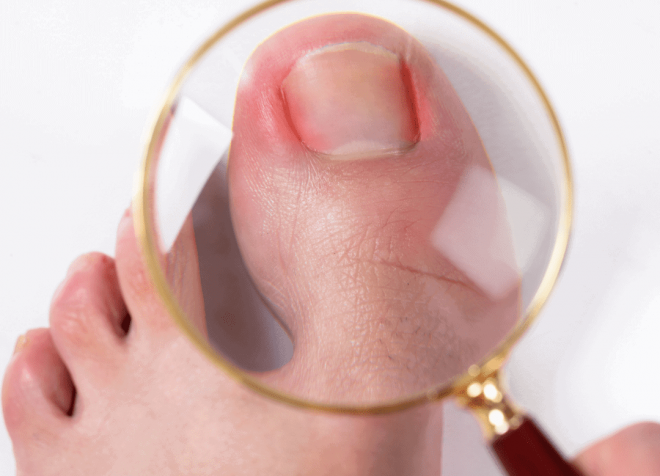
Where do ingrown toenails come from?
There are many possible causes for ingrown toenails. The most common one is tight shoe wear or improper grooming and trimming of the nail, for example, cutting the nail too short at the corners. Another relatively usual cause is trauma as a result of stubbing the toe or having it stepped on. Losing the toenail because of the repetitive pressure from certain sports, such as running, after a fungal infection, or other conditions like psoriasis may also promote an ingrown toenail.
Some people have an inherited tendency to develop nail problems, which can worsen as they grow older. With age, toenails become thicker, harder to trim and more susceptible to curve at the edges.What are the symptoms of ingrown toenails?
Although any of your toenails can become ingrown, the problem more frequently affects the big toe. During the early stages of developing an ingrown toenail, your toe may feel swollen and tender, and your nail may be harder than usual. As the problem evolves, you’re likely to develop an infection, causing your toe to turn red and feel very sore. In more severe cases, you may even see a little bit of pus leaking from the wound.
As soon as you start experiencing changes in your nail or discomfort in your foot, you should consult your doctor or podiatrist. If you have diabetes or another condition that causes poor blood flow to your feet, you’re at greater risk of complications from ingrown toenails.Can an ingrown toenail infection spread?
An ingrown toenail infection can spread if the infection is not treated properly. The infection can spread to other parts of the foot or even the bloodstream, which can lead to sepsis. People who have diabetes or a weakened immune system are more susceptible to infections and may be at a higher risk for developing sepsis from an ingrown toenail infection.
To prevent an ingrown toenail infection from spreading, it’s important to seek medical attention as soon as possible. Treatment options may include antibiotics to clear the infection, removing the ingrown toenail, and keeping the affected area clean and dry.What are the treatments for an ingrown toenail?
There are several ways to treat an ingrown toenail, depending on the severity of the condition.
In some cases, an ingrown toenail may heal on its own with proper at-home care, such as soaking the foot in warm water and wearing comfortable shoes that don’t put pressure on the affected toe. However, if the ingrown toenail is causing significant pain, swelling, or infection, medical treatment may be necessary. If an ingrown toenail becomes infected, it may require antibiotics to clear the infection. The type of antibiotic prescribed will depend on the severity of the infection, with oral antibiotics typically used for mild infections and intravenous antibiotics used for more severe cases. In cases where the nail has penetrated the skin, we advise going under nail surgery — a simple and safe procedure performed under local anaesthesia, which permanently removes the side of the ingrown nail. Nail surgery is the most effective method to eliminate the nail edge from growing inward and cutting into the fleshy folds of the skin. For most cases of ingrown toenails, we perform a type of surgery called a partial nail avulsion. This surgical technique involves removing a portion of the toenail to prevent it from digging into the skin and causing infection. A partial nail avulsion takes around 45 to 60 minutes and offers a quick recovery time, with a 98% success rate. Most people report little to no discomfort after surgery, returning to their normal activities as quickly as the following day. Pain medications may also be prescribed to manage any discomfort following the surgery. The recovery time frame from ingrown toenail surgery can range from four to six weeks, depending on the severity of the condition. Cosmetically, the nail plate will look slightly narrower once fully healed, but this change is usually barely noticeable. On fewer occasions, we may advise removing the entire nail. This procedure is called complete nail plate avulsion, and it is only carried out when a severely damaged or thickened toenail causes recurring problems that the partial removal of the nail cannot solve. The complete removal of the nail is not always the preferred method because it increases the likelihood of your toenail growing back deformed. However, in rare cases, it is a better option to avoid future complications. There are many advantages to ingrown toenail surgery, from experiencing hardly any discomfort and no infection to an almost permanent cure of an in-growing toenail condition, with fewer restrictions for shoe choice and easier walking.